
☰
☰
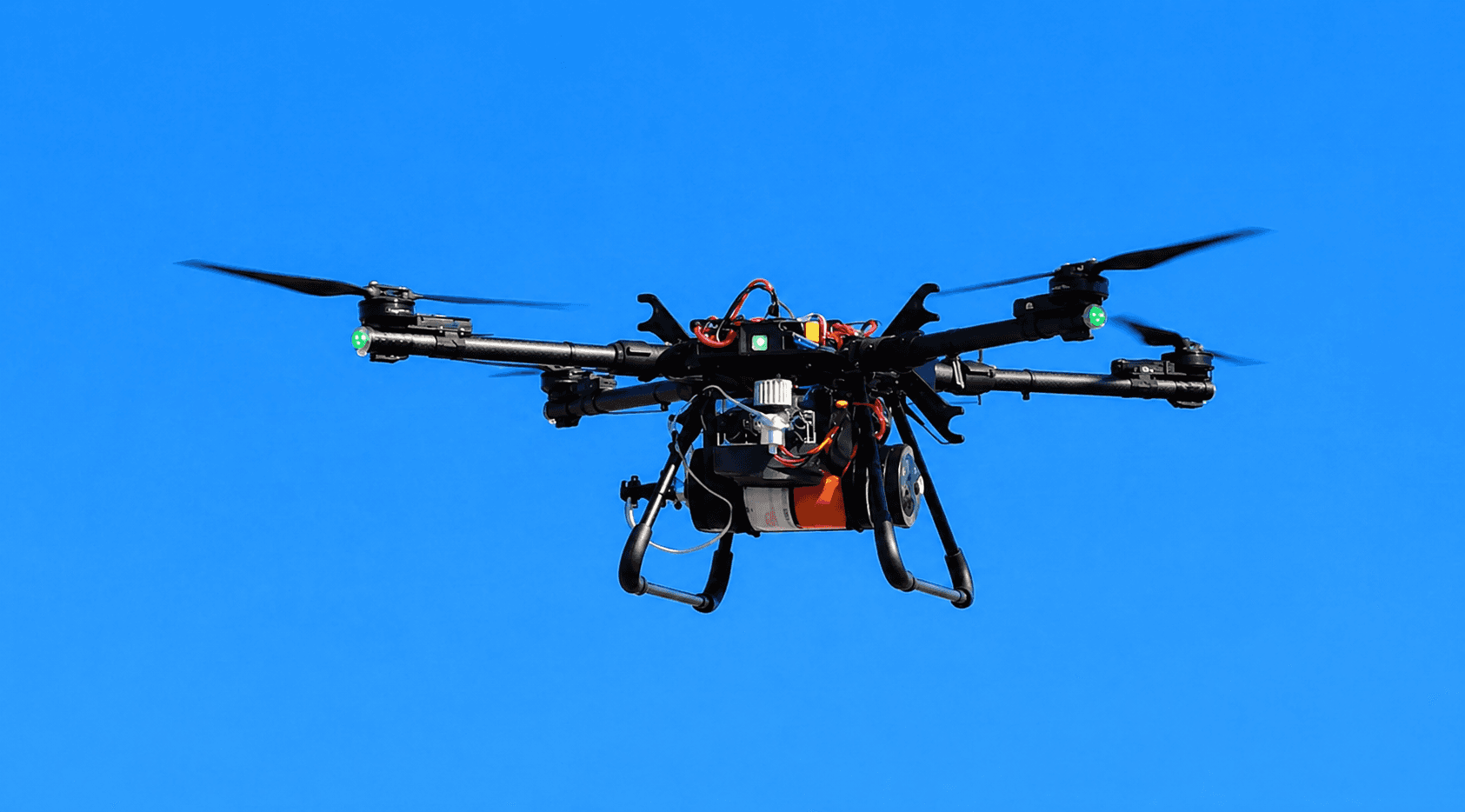
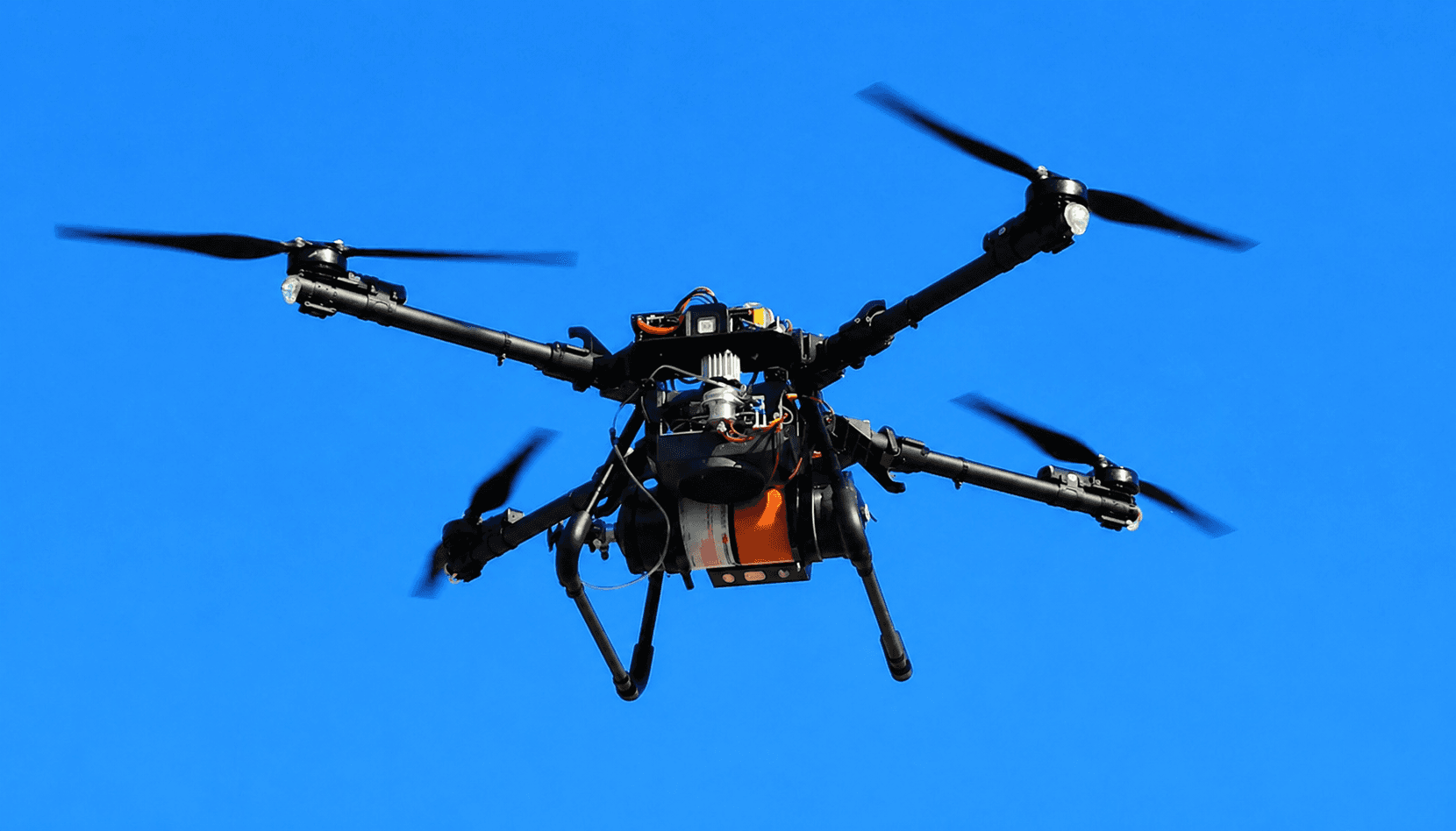
TerraLIX has announced the integration of its HYCUS X2 closed-cathode air-cooled hydrogen fuel cell into a 75 kg MTOW class multicopter, delivering 40 minutes of continuous flight with a 10 kg payload (up to 15 kg maximum) — a performance envelope difficult to achieve with battery-only VTOL platforms.
TerraLIX has announced the integration of its HYCUS X2 closed-cathode air-cooled hydrogen fuel cell into a 75 kg MTOW class multicopter, delivering 40 minutes of continuous flight with a 10 kg payload (up to 15 kg maximum) — a performance envelope difficult to achieve with battery-only VTOL platforms.
TerraLIX has announced the integration of its HYCUS X2 closed-cathode air-cooled hydrogen fuel cell into a 75 kg MTOW class multicopter, delivering 40 minutes of continuous flight with a 10 kg payload (up to 15 kg maximum) — a performance envelope difficult to achieve with battery-only VTOL platforms.
Battery-powered multicopters in this class typically sustain only 20 to 25 minutes under operational payload. Adding more batteries triggers a counterproductive weight cascade: more cells require more lift, which draws more current, eroding the very endurance the additional weight was meant to provide.
Hydrogen fuel cells break this cycle by decoupling energy storage from power delivery. The HYCUS X2 supplies continuous electrical power while a compressed hydrogen cylinder stores energy at a gravimetric density batteries cannot match.
Battery-powered multicopters in this class typically sustain only 20 to 25 minutes under operational payload. Adding more batteries triggers a counterproductive weight cascade: more cells require more lift, which draws more current, eroding the very endurance the additional weight was meant to provide.
Hydrogen fuel cells break this cycle by decoupling energy storage from power delivery. The HYCUS X2 supplies continuous electrical power while a compressed hydrogen cylinder stores energy at a gravimetric density batteries cannot match.
Battery-powered multicopters in this class typically sustain only 20 to 25 minutes under operational payload. Adding more batteries triggers a counterproductive weight cascade: more cells require more lift, which draws more current, eroding the very endurance the additional weight was meant to provide.
Hydrogen fuel cells break this cycle by decoupling energy storage from power delivery. The HYCUS X2 supplies continuous electrical power while a compressed hydrogen cylinder stores energy at a gravimetric density batteries cannot match.
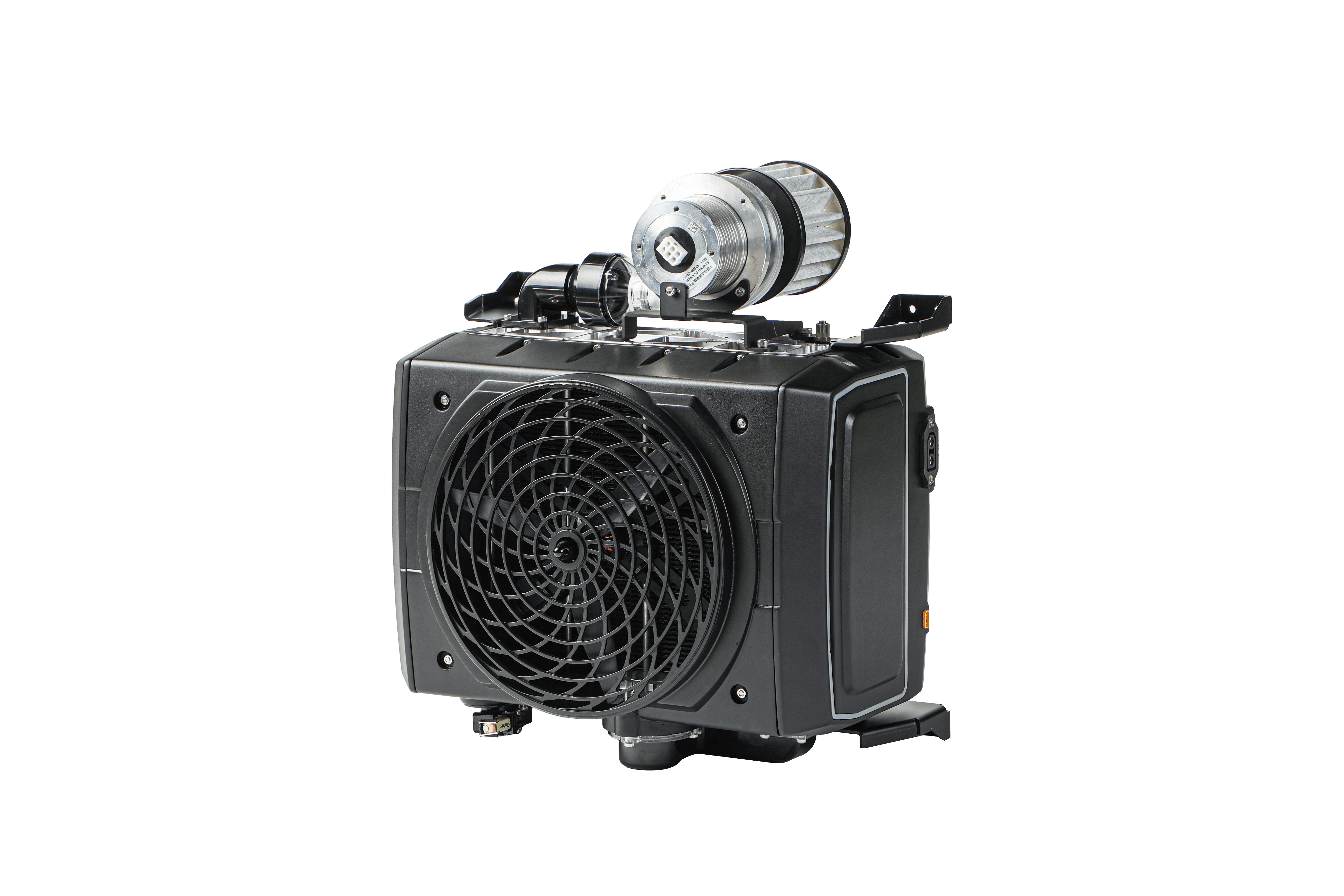
The platform integrates a single HYCUS X2 module rated at 1.6 kW continuous output, matched to the multicopter's cruise demand profile with a hybrid battery buffer absorbing peak transient loads.
Closed-cathode reliability — controlled blower-driven air supply remains stable regardless of flight attitude or hover-translation transitions, eliminating failure modes that plague passive air-breathing fuel cells in multicopter use.
Stable output across the mission — consistent 1.6 kW from start to landing rather than tapering with system thermal state.
The platform integrates a single HYCUS X2 module rated at 1.6 kW continuous output, matched to the multicopter's cruise demand profile with a hybrid battery buffer absorbing peak transient loads.
Closed-cathode reliability — controlled blower-driven air supply remains stable regardless of flight attitude or hover-translation transitions, eliminating failure modes that plague passive air-breathing fuel cells in multicopter use.
Stable output across the mission — consistent 1.6 kW from start to landing rather than tapering with system thermal state.
The platform integrates a single HYCUS X2 module rated at 1.6 kW continuous output, matched to the multicopter's cruise demand profile with a hybrid battery buffer absorbing peak transient loads.
Closed-cathode reliability — controlled blower-driven air supply remains stable regardless of flight attitude or hover-translation transitions, eliminating failure modes that plague passive air-breathing fuel cells in multicopter use.
Stable output across the mission — consistent 1.6 kW from start to landing rather than tapering with system thermal state.
MTOW: 75 kg
Standard payload: 10 kg / Maximum payload: 15 kg
Power source: HYCUS X2 fuel cell × 1 (1.6 kW continuous) + Battery
Endurance: 40 minutes
The endurance gain matters less in absolute minutes than in mission economics: a single sortie now covers what previously required two flights with a battery swap in between.
MTOW: 75 kg
Standard payload: 10 kg / Maximum payload: 15 kg
Power source: HYCUS X2 fuel cell × 1 (1.6 kW continuous) + Battery
Endurance: 40 minutes
The endurance gain matters less in absolute minutes than in mission economics: a single sortie now covers what previously required two flights with a battery swap in between.
MTOW: 75 kg
Standard payload: 10 kg / Maximum payload: 15 kg
Power source: HYCUS X2 fuel cell × 1 (1.6 kW continuous) + Battery
Endurance: 40 minutes
The endurance gain matters less in absolute minutes than in mission economics: a single sortie now covers what previously required two flights with a battery swap in between.
The platform's combination of extended endurance, payload capacity, and rapid hydrogen refueling makes it well-suited to defense missions where battery-powered systems face structural limitations.
Persistent ISR and tactical overwatch — 40-minute station time with EO/IR or SIGINT payloads, enabling continuous overhead awareness for forward units.
Forward logistics and resupply — 15 kg payload for ammunition, medical supplies, and communications equipment; hydrogen refueling completes in minutes versus hours of battery recharging, dramatically improving sortie rates.
CBRN reconnaissance — chemical, biological, radiological, and nuclear sensor payloads can be carried into contaminated areas without exposing personnel.
Counter-UAS and force protection — extended station time over fixed installations, convoys, and perimeter zones eliminates the coverage gaps of battery-driven operations.
Compressed hydrogen is inert in storage, free of the thermal-cycling degradation that affects lithium chemistries, and stockpilable at forward sites with predictable shelf life.
The platform's combination of extended endurance, payload capacity, and rapid hydrogen refueling makes it well-suited to defense missions where battery-powered systems face structural limitations.
Persistent ISR and tactical overwatch — 40-minute station time with EO/IR or SIGINT payloads, enabling continuous overhead awareness for forward units.
Forward logistics and resupply — 15 kg payload for ammunition, medical supplies, and communications equipment; hydrogen refueling completes in minutes versus hours of battery recharging, dramatically improving sortie rates.
CBRN reconnaissance — chemical, biological, radiological, and nuclear sensor payloads can be carried into contaminated areas without exposing personnel.
Counter-UAS and force protection — extended station time over fixed installations, convoys, and perimeter zones eliminates the coverage gaps of battery-driven operations.
Compressed hydrogen is inert in storage, free of the thermal-cycling degradation that affects lithium chemistries, and stockpilable at forward sites with predictable shelf life.
The platform's combination of extended endurance, payload capacity, and rapid hydrogen refueling makes it well-suited to defense missions where battery-powered systems face structural limitations.
Persistent ISR and tactical overwatch — 40-minute station time with EO/IR or SIGINT payloads, enabling continuous overhead awareness for forward units.
Forward logistics and resupply — 15 kg payload for ammunition, medical supplies, and communications equipment; hydrogen refueling completes in minutes versus hours of battery recharging, dramatically improving sortie rates.
CBRN reconnaissance — chemical, biological, radiological, and nuclear sensor payloads can be carried into contaminated areas without exposing personnel.
Counter-UAS and force protection — extended station time over fixed installations, convoys, and perimeter zones eliminates the coverage gaps of battery-driven operations.
Compressed hydrogen is inert in storage, free of the thermal-cycling degradation that affects lithium chemistries, and stockpilable at forward sites with predictable shelf life.
The HYCUS X2 is part of TerraLIX's broader portfolio of closed-cathode air-cooled hydrogen fuel cells engineered for extreme operating environments. Its integration into a 75 kg-class multicopter shows that the same architectural principles enabling high-altitude and sub-zero operation also deliver the reliability and weight efficiency required for vertical-lift platforms across both commercial and defense mission sets.
TerraLIX continues to advance its extreme-environment fuel cell technology and expand its presence across defense, aerospace, and advanced mobility markets — delivering reliable, high-density power where conventional systems cannot.
The HYCUS X2 is part of TerraLIX's broader portfolio of closed-cathode air-cooled hydrogen fuel cells engineered for extreme operating environments. Its integration into a 75 kg-class multicopter shows that the same architectural principles enabling high-altitude and sub-zero operation also deliver the reliability and weight efficiency required for vertical-lift platforms across both commercial and defense mission sets.
TerraLIX continues to advance its extreme-environment fuel cell technology and expand its presence across defense, aerospace, and advanced mobility markets — delivering reliable, high-density power where conventional systems cannot.
The HYCUS X2 is part of TerraLIX's broader portfolio of closed-cathode air-cooled hydrogen fuel cells engineered for extreme operating environments. Its integration into a 75 kg-class multicopter shows that the same architectural principles enabling high-altitude and sub-zero operation also deliver the reliability and weight efficiency required for vertical-lift platforms across both commercial and defense mission sets.
TerraLIX continues to advance its extreme-environment fuel cell technology and expand its presence across defense, aerospace, and advanced mobility markets — delivering reliable, high-density power where conventional systems cannot.

CEO
Tae-Young Kim
support@terralix.com
Tel.
+82-63-581-1633
Fax.
+82-63-581-1639
Address
56332) 28, Sinjaesaengeneoji-ro, Haseo-myeon,
Buan-gun, Jeollabuk-do, Republic of Korea
TerraLIX Co., LTD
CEO
Tae-Young Kim
support@terralix.com
Tel.
+82-63-581-1633
Fax.
+82-63-581-1639
Address
56332) 28, Sinjaesaengeneoji-ro, Haseo-myeon, Buan-gun, Jeollabuk-do, Republic of Korea
TerraLIX Co., LTD
CEO
Tae-Young Kim
support@terralix.com
Tel.
+82-63-581-1633
Fax.
+82-63-581-1639
Address
56332) 28, Sinjaesaengeneoji-ro, Haseo-myeon, Buan-gun, Jeollabuk-do, Republic of Korea
TerraLIX Co., LTD